
Sole Proprietorship
Sole Proprietorship is a form of business ownership where a single individual owns, manages, and controls the entire business.
Sole Proprietorship is a form of business ownership where a single individual owns, manages, and controls the entire business.

Partnership is a business structure where two or more persons share ownership, profits, and losses according to a mutual agreement.

A form of business enterprise refers to the legal structure or classification under which a business operates.

Business Finance is the process of managing funds in a business to support operations, investments, and growth.

A comparison of U.S. GAAP with international standards like IFRS, focusing on differences in rules, valuation, and reporting.
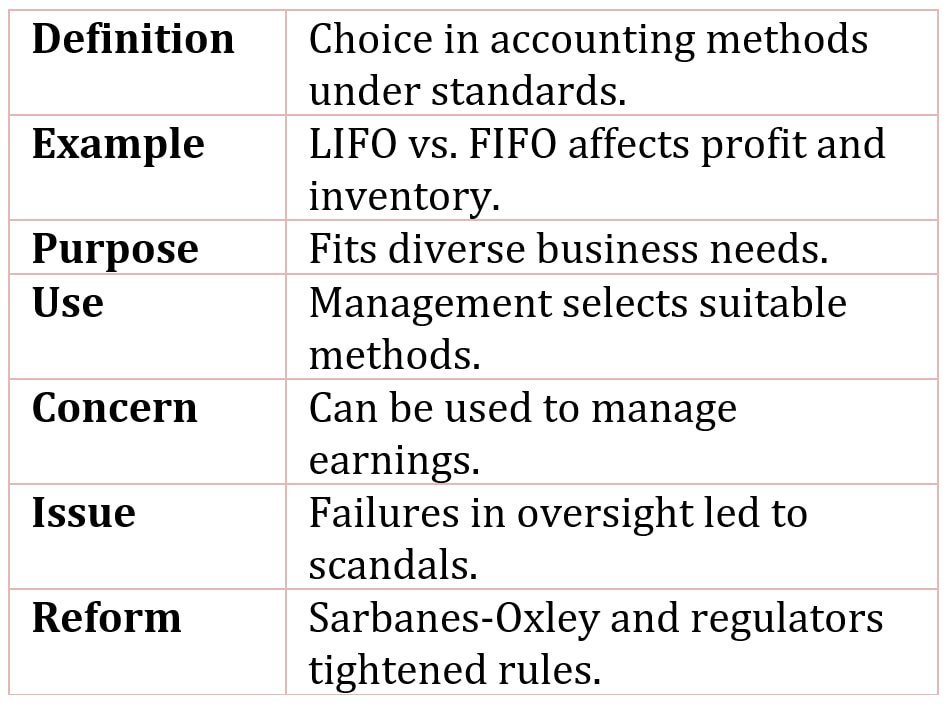
The accounting flexibility is the permitted choice of methods in financial reporting under accounting standards.
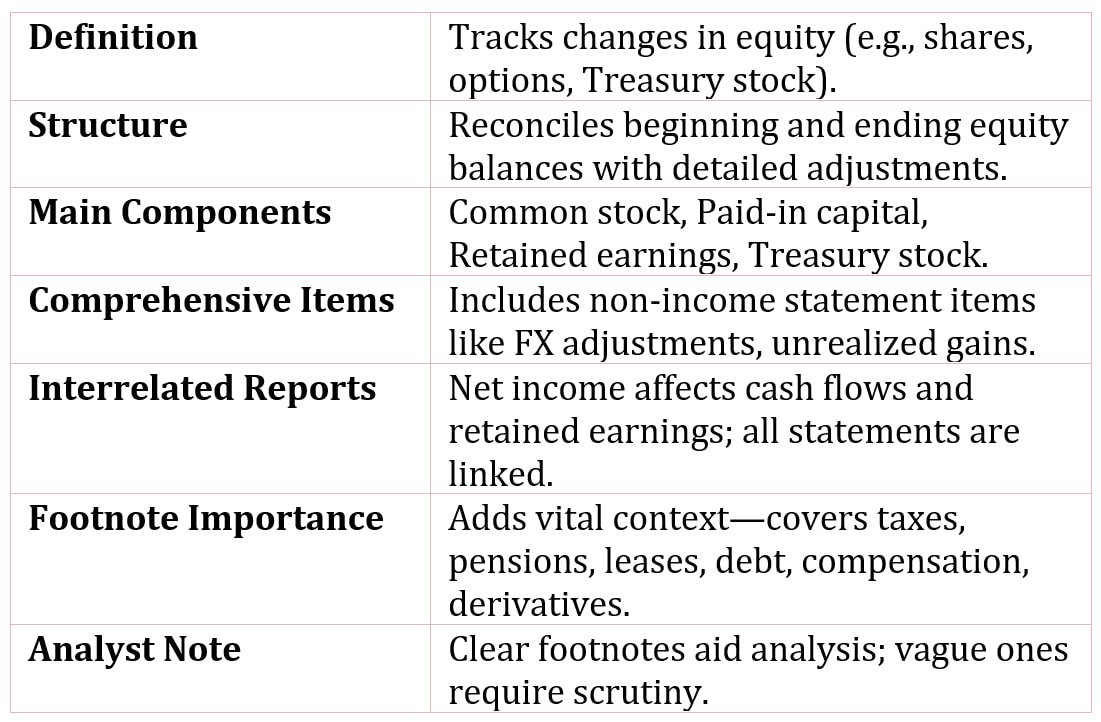
The statement of stockholder’s equity outlines changes in equity, such as stock options, share buybacks, and treasury shares.
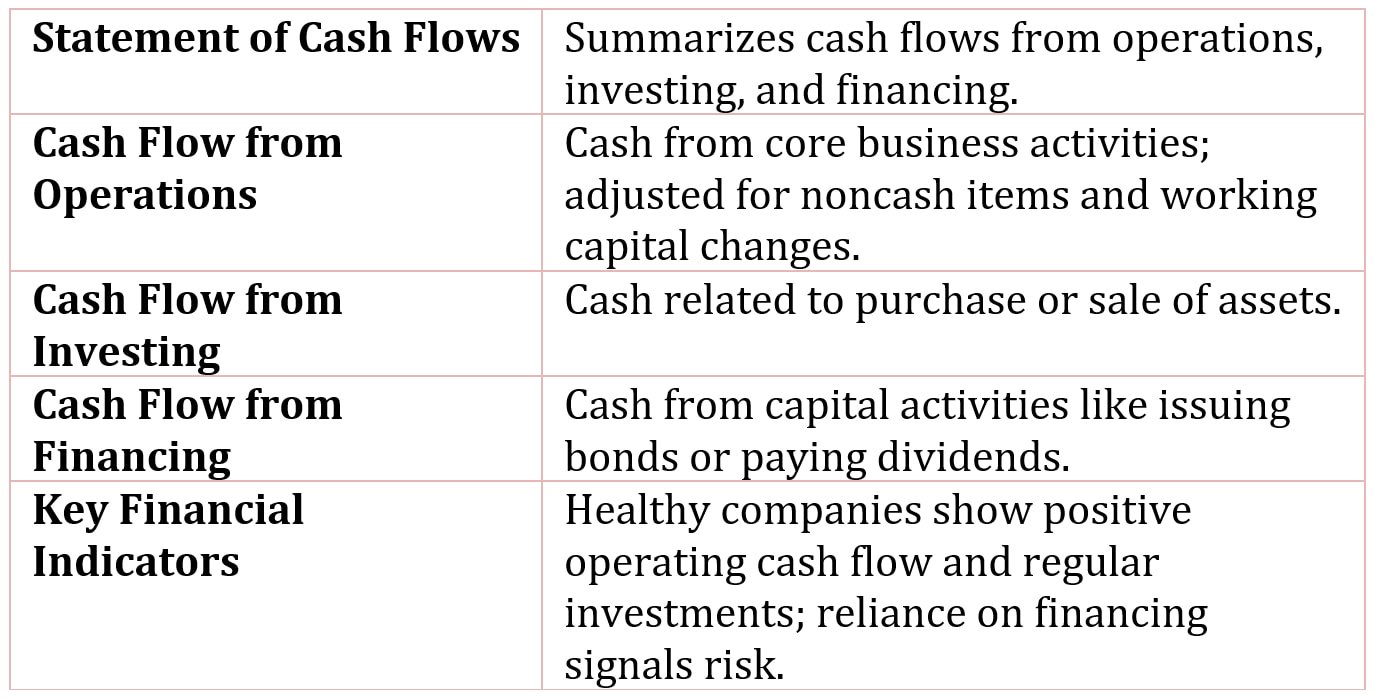
The statement of cash flows summarizes a company’s cash movements through operating, investing, and financing activities.
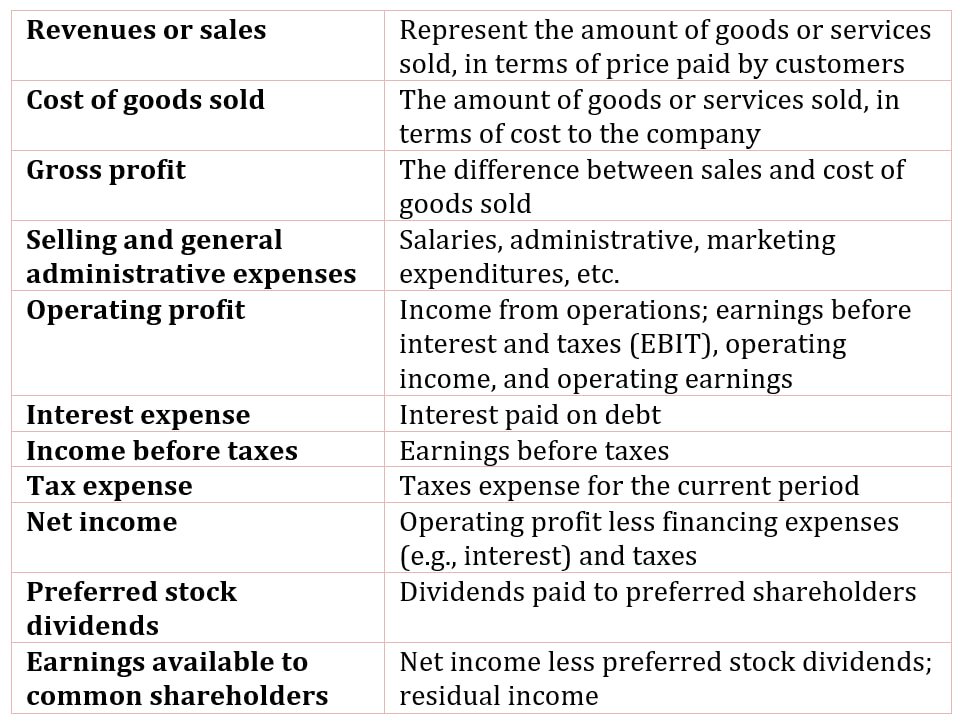
The income statement is a summary of operating performance over a period of time (e.g. a fiscal quarter or a fiscal year).
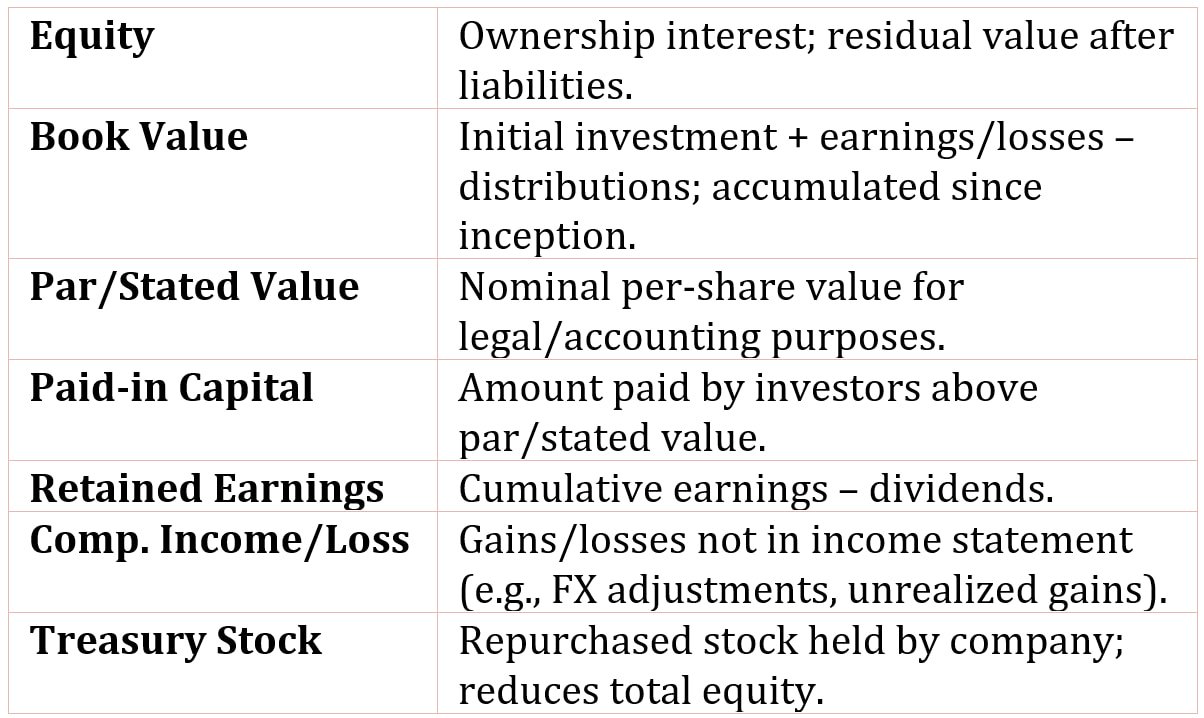
Equity refers to the ownership interest in a company. It represents the residual value of assets after deducting liabilities.